

(Free Lunch: Not Just Rice, But an Investment in the Future)
Ah, “nasi gratis” (free rice)! Those two magical words that brought smiles to faces and sparked a wave of enthusiasm across Indonesia. The promise of nutritious meals for every school child, a vision of a healthier, stronger generation – it was a dream come true. But as with any ambitious endeavor, the initial excitement can sometimes fade, replaced by the realities of implementation and the challenges of long-term sustainability.
So, how do we ensure that this dream doesn’t become just another fleeting promise? How do we transform the “nasi gratis” program into a lasting legacy, an investment that yields rich dividends for generations to come?
“Nggak Ada Nasi yang Bener-bener Gratis” (No Rice is Truly Free)
Let’s face it, there’s no such thing as a truly free lunch, even in Indonesia, the land of generosity and abundance. Every grain of rice, every slice of tempeh, every spoonful of sayur lodeh – it all comes at a cost. But that cost doesn’t always have to be measured in rupiah. It can be measured in sweat, in community spirit, in shared responsibility.
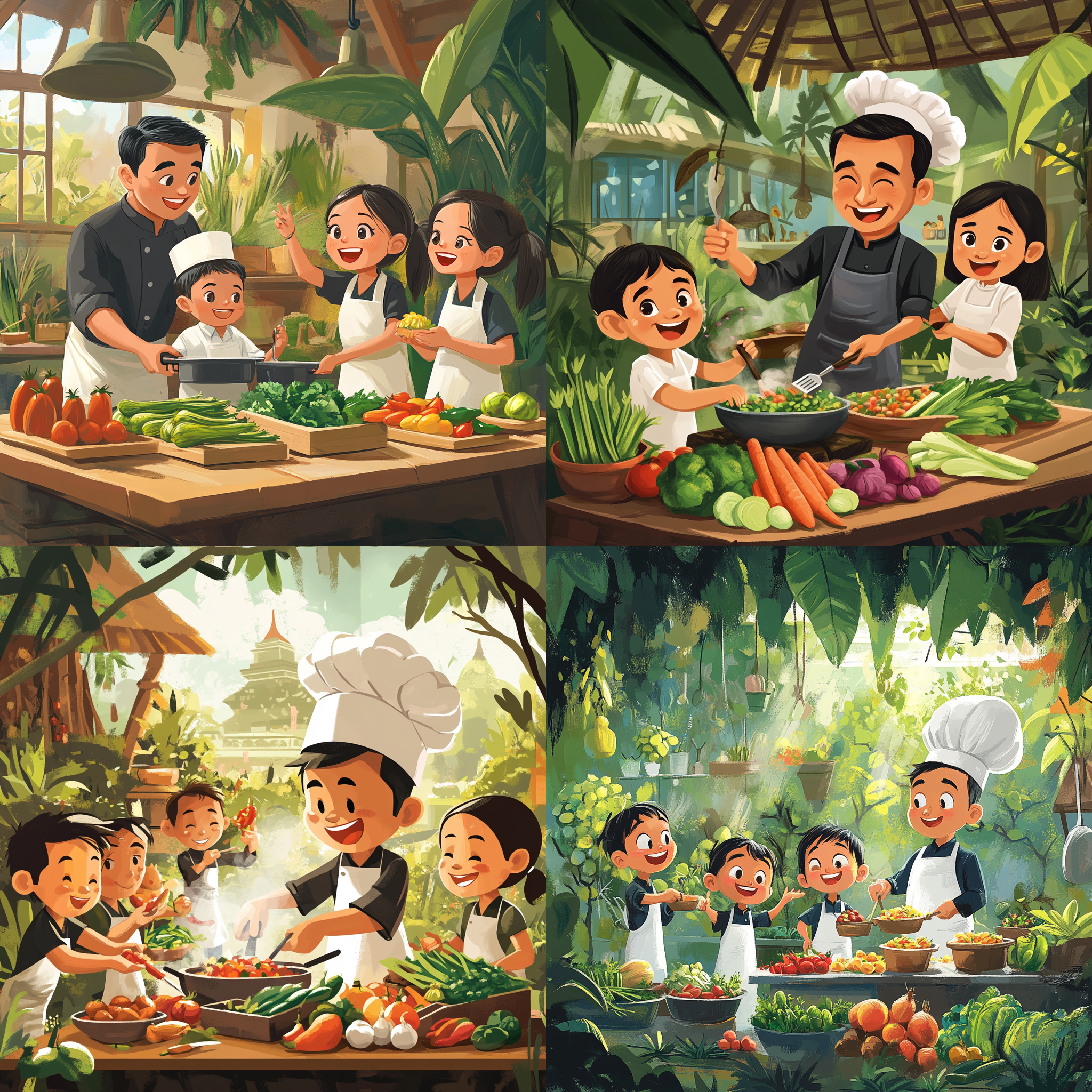
Imagine a school garden where students, teachers, and parents work side-by-side, planting seeds, tending to the soil, and harvesting fresh produce. Picture a bustling kitchen where mothers share their culinary secrets, teaching children how to prepare nutritious meals using local ingredients. These are the scenes of a community invested in its children’s well-being, a community that understands that the true cost of a “free lunch” lies in the collective effort and shared responsibility.
“Ibu-Ibu Pintar” (Smart Mothers)
Indonesian mothers are the backbone of their families, the keepers of culinary traditions, and the nurturers of healthy habits. Let’s tap into their wisdom and resourcefulness by empowering them to play a leading role in the free lunch program.
Imagine “Ibu-Ibu Pintar” (Smart Mothers) groups forming in every school community, where mothers gather to share recipes, exchange cooking tips, and learn about nutrition. These groups could organize cooking classes for students, teaching them how to prepare healthy and delicious meals using local ingredients. They could also create recipe books featuring nutritious and affordable dishes, empowering families to make healthier choices at home.
“Bapak-bapak Bertani” (Farming Fathers)
And let’s not forget the bapak-bapak (fathers)! They too can play a vital role in ensuring the success of the free lunch program. Imagine “Bapak-bapak Bertani” (Farming Fathers) groups, where fathers and community members come together to cultivate school gardens, providing fresh produce for school meals.
These gardens would not only provide nutritious ingredients but also serve as outdoor classrooms, where children can learn about agriculture, sustainability, and the importance of connecting with nature. It’s a chance for fathers to share their knowledge and skills, fostering a sense of community and responsibility for the next generation.
“Dari Sawah ke Sekolah” (From Farm to School)
To ensure the sustainability and freshness of school meals, let’s prioritize local sourcing, connecting schools directly with local farmers and producers. Imagine a network of “Dari Sawah ke Sekolah” (From Farm to School) initiatives, where schools partner with nearby farms to source seasonal fruits, vegetables, and other ingredients.
This approach not only supports local farmers and strengthens the local economy but also ensures that children receive fresh, nutritious food that reflects the unique flavors of their region. It’s a win-win situation that promotes both health and economic development.
“Belajar Masak ala Pak Jokowi” (Cooking Class with President Jokowi)
Now, let’s add a touch of fun and inspiration! Imagine President Jokowi, known for his down-to-earth demeanor and love for Indonesian cuisine, leading a cooking class for students. Picture him, donned in a chef’s hat, sharing his favorite healthy recipes and demonstrating his culinary skills.
This “Kelas Memasak ala Pak Jokowi” (Cooking Class with President Jokowi) would not only be a memorable experience for the students but also a powerful way to promote healthy eating habits and inspire a love for cooking. It’s a chance to showcase the importance of nutrition and the joy of creating delicious and nutritious meals.
“Investasi Generasi Emas” (Investing in the Golden Generation)
The free school lunch program is not just about providing food; it’s about investing in the future of Indonesia. It’s about nurturing the “Generasi Emas” (Golden Generation), the children who will shape our nation’s destiny.
By providing them with nutritious meals, we are investing in their health, their education, and their overall well-being. We are empowering them to reach their full potential, to become the leaders, innovators, and changemakers who will build a brighter tomorrow for Indonesia.
“Mimpi Anak Indonesia” (Dreams of Indonesian Children)
Every Indonesian child has dreams, aspirations, and a unique potential waiting to be unlocked. The free school lunch program, combined with quality education and a nurturing environment, can provide the foundation for these dreams to take flight.
Imagine a future where every Indonesian child, regardless of their background, has the opportunity to pursue their passions, achieve their goals, and contribute to the betterment of society. This is the vision we must strive for, a vision where the dreams of Indonesian children become the driving force behind our nation’s progress.
Closing Thoughts
The free school lunch program is more than just “nasi gratis.” It’s an investment in the future, a symbol of hope, and a testament to our commitment to the well-being of our children. By embracing the spirit of collaboration, innovation, and community participation, we can ensure that this program continues to nourish not just bodies, but also minds and dreams, paving the way for a brighter future for Indonesia.


Leave a Reply