

The world is evolving at a pace that can feel dizzying, and no one understands this better than our grandparents. For a generation that grew up with rotary phones and physical newspapers, the digital landscape of social media, AI, and smartphones can feel like a foreign land. This technological divide often creates a chasm in communication, making it difficult for grandparents to connect with their tech-native grandchildren. Yet, by actively and empathetically bridging this generational gap, we can foster stronger family bonds, mutual respect, and a more cohesive society for all.
Understanding and Overcoming the Digital Divide
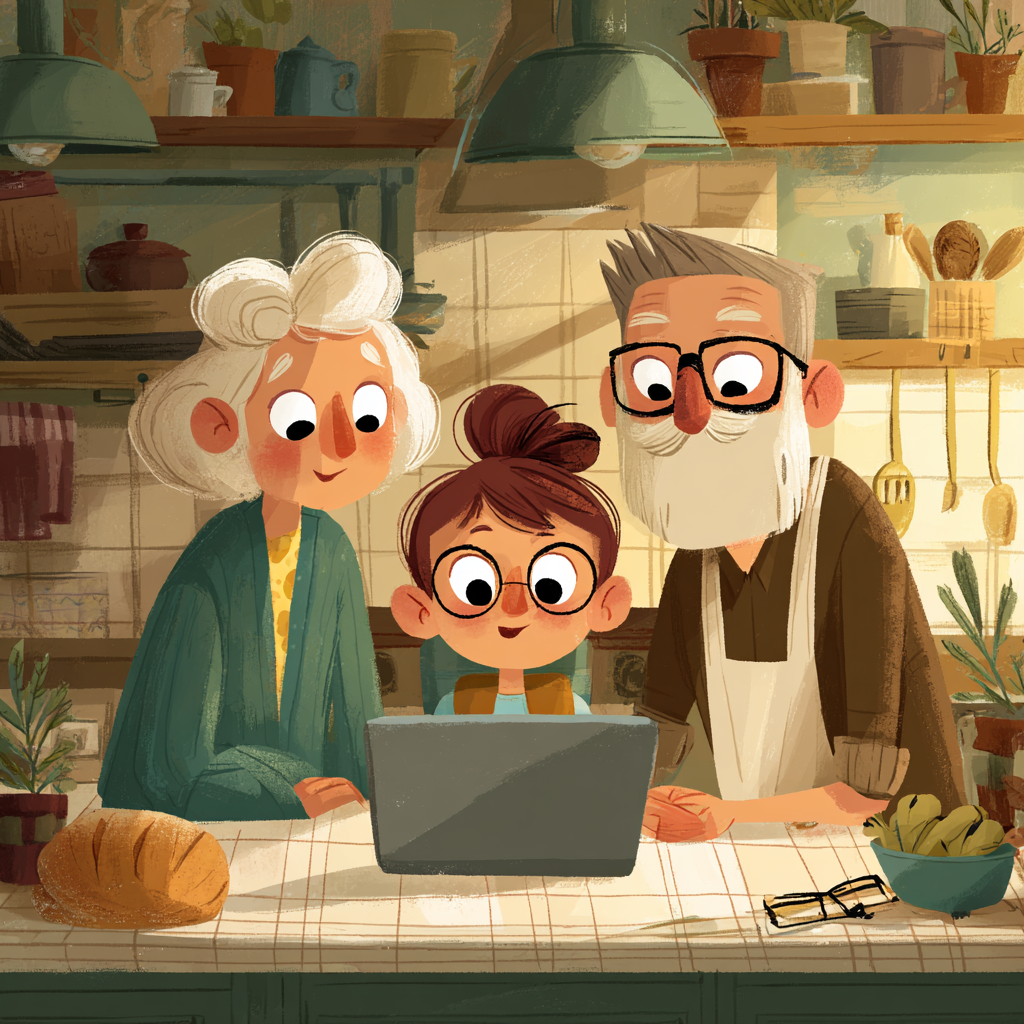
The first step in bridging this gap is acknowledging it with kindness and patience. For many grandparents, the digital world is not just unfamiliar; it can be intimidating. They may feel left out or even inadequate in conversations about apps, games, and online trends. Instead of labeling this as a problem, we should see it as an opportunity. Grandchildren can become the teachers, and grandparents the eager students.
Families can foster a powerful exchange by creating a space for open communication. Rather than criticizing a grandparent for not knowing how to use a tablet, a grandchild can simply and respectfully show them. Likewise, grandparents can express their curiosity and willingness to learn. This mutual respect turns a potential point of friction into a moment of shared learning and bonding. It is in this dynamic that we see the true power of intergenerational dialogue.
The Grandparent’s Enduring Role: Passing on Heritage
While the younger generation may be fluent in the digital language, grandparents hold the keys to a different, equally vital realm: our cultural heritage. In a world saturated with fleeting trends, the wisdom, stories, and traditions passed down from older generations are more precious than ever.
The beauty of this relationship is its reciprocal nature. As grandchildren teach their grandparents about the latest digital tool, grandparents can share their life experiences, family history, and cultural values. They can pass on stories of resilience, the meaning behind traditional ceremonies, or the recipes that have been in the family for generations. This exchange ensures that while we embrace the future, we remain anchored in our past. It proves that the old and the new can coexist harmoniously.
Fun, Tech-Enabled Activities for Connection
Technology doesn’t have to be a barrier; it can be a bridge. There are countless ways for grandparents and grandchildren to connect using digital tools, making the learning process both fun and meaningful.
- Virtual Story Time: Grandparents who live far away can use video calls to read a bedtime story or share a favorite book.
- Digital Photo Albums: Grandchildren can help grandparents scan old family photos and create a digital album, organizing them and adding stories in a way that can be shared with the entire family.
- Online Cooking Lessons: Grandparents can guide grandchildren through a family recipe using a tablet in the kitchen, turning a traditional activity into a tech-enabled one.
- Gaming Together: Many simple mobile games can be played collaboratively, allowing both generations to team up and solve puzzles, building a sense of shared accomplishment.
These activities transform passive screen time into active bonding experiences, proving that technology, when used with intention, can strengthen family ties.
Building a Cohesive Society
Ultimately, fostering these relationships is about more than just family. It is about building a more cohesive society. When generations understand and respect each other, the entire community benefits. It reduces feelings of isolation among the elderly and instills a sense of empathy and historical perspective in the young.
The journey of bridging the digital gap is a testament to the fact that while technology may change, the fundamental human need for connection and belonging remains constant. By valuing the unique contributions of each generation, we are not only enriching our families but also paving the way for a future where tradition and innovation walk hand in hand. This intergenerational dialogue is the bedrock of a society that is strong, empathetic, and truly whole.
References
Books:
- Lickona, T. (1991). Educating for Character: How Our Schools Can Teach Respect and Responsibility. New York: Bantam Books.
Researches and Articles:
- UNESCO. (2018). Early Childhood Care and Education (ECCE) in Indonesia.
- OECD. (2020). Early Learning and Child Well-being: A Multidimensional Approach to Measuring Quality.
- World Bank. (2019). Improving Early Childhood Development in Indonesia: A Path to Fulfilling Potential.
- Susanto, A. (2014). Pendidikan Anak Usia Dini (PAUD): Konsep dan Teori.
- Santrock, J. W. (2014). Child Development.

 Kaizeneers
Leave a comment