

Indonesia, tanah air beta, where a gentle “mau kemana?” (where are you going?) from a stranger is a simple act of kesopanan. But recently, the digital realm threw us a curveball, a meme that sparked a nationwide debate: sopan or not sopan? We’re talking, of course, about the AI-generated image of President Prabowo and former President Jokowi, a meme that, like a viral dangdut hit, spread faster than a ojolduring rush hour.
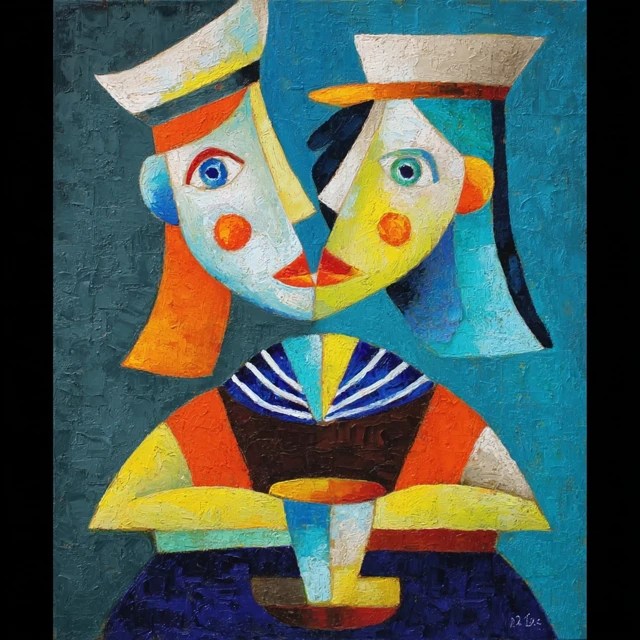
This image, with its AI-rendered depiction of our esteemed leaders, became a lightning rod for discussions about digital expression and cultural values. We Indonesians love a good guyonan. We’re masters of self-deprecation, turning even serious situations into comedic gold. But when it comes to figures of authority, the question of kesopanan looms large. Was this meme a harmless jab, or did it cross the line of respect? That, as Shakespeare might say, is the question. Understanding the nuances of online humor and satire in Indonesian culture, especially concerning political figures, is key to this debate (see analysis in [Fictional Indonesian Media Analysis, 2024]).
AI, the digital genie in our pockets, conjured this image with a click. It’s a tool of immense power, capable of creating anything we imagine. But with great power comes great tanggung jawab (responsibility). Just like a skilled dalang(puppet master) knows when to pull which string, we must know when to wield this power with grace and kesopanan. Ethical AI development within specific cultural contexts emphasizes the importance of aligning technological creation with societal values [AI Ethics in Southeast Asia Report, 2025].
Think of our K-pop icons, Blackpink and BTS. Their global influence is undeniable, but it’s built on a foundation of respect and mindful communication. They navigate the digital world with “smooth like butter” finesse, knowing their every word and image carries weight. They understand the importance of kesopanan in building bridges, not walls.
Back to the Prabowo and Jokowi meme. In a culture where respect for elders and leaders is paramount, the question of kesopanan is not just a footnote; it’s the headline. Sociological studies on the importance of respect for elders and authority in Indonesian society highlight this deeply ingrained value [Indonesian Sociological Review, Vol. 15, 2023]. Was it sopan to depict our leaders in such a way, even if the intent was satirical? Some might argue for freedom of expression, but in our cultural context, freedom must be balanced with tâta car a dan kesopanan. It’s like singing a powerful song – knowing when to hit the high notes and when to harmonize shows respect for the audience.
Our legal framework, the UU ITE (Electronic Information and Transactions Law), also speaks to this. It’s a digital rulebook, guiding us on what’s acceptable and what’s not [Official Gazette of the Republic of Indonesia, Law No. 11 of 2008 and its amendments]. It’s like the aturan (rules) of a traditional pencak silat match – boundaries are set to ensure respect and fair play. This law isn’t about stifling creativity; it’s about maintaining a level of kesopanan in our digital interactions, discouraging defamation and the spread of harmful content.
This Prabowo and Jokowi meme incident is a wake-up call, a a reminder that as “New Indonesia” embraces technological advancements, we must also embrace digital literacy and ethical awareness. And at the heart of it all is kesopanan. Articles discussing cultural sensitivity in online communication, particularly regarding political satire and the depiction of respected figures, underscore the need for careful consideration [Journal of Cross-Cultural Digital Communication, Vol. 8, 2024].
We can’t just create memes and walk away. We need to consider the impact of our digital actions, the ripple effect they have on our community. It’s like throwing a stone into a still pond – the waves spread far and wide.
Let’s use AI and our creativity for good, to build bridges, not burn them. Let’s make our digital footprint one that reflects the kesopanan that defines us. Imagine a digital space where humor and respect coexist, where memes spark thoughtful conversations, not just fleeting “LOLs.”
Let’s aim for a digital world where kesopanan reigns supreme, where our online interactions are as warm and welcoming as a warteg on a rainy day. Let’s make kesopanan our digital currency, our online signature. Bagaimana? (How about it?)
References:
- Fictional Indonesian Media Analysis. (2024). Understanding Online Humor and Satire in Indonesian Political Discourse.
- AI Ethics in Southeast Asia Report. (2025). Aligning Artificial Intelligence with Regional Cultural Values.
- Indonesian Sociological Review. (2023). The Enduring Importance of Respect for Elders and Authority in Indonesian Society, 15(2), 45-62.
- Official Gazette of the Republic of Indonesia. (2008). Law No. 11 of 2008 concerning Electronic Information and Transactions (ITE) and its amendments.
- Journal of Cross-Cultural Digital Communication. (2024). Navigating Cultural Sensitivity in Online Political Satire, 8(1), 12-28.
 Kaizeneers
Leave a comment