

Indonesia, a nation brimming with potential and now navigating a fresh chapter under new leadership, stands at the cusp of a transformative era. The winds of change are blowing, carrying with them a renewed focus on discipline, a fierce commitment to anti-corruption, a drive for enhanced productivity, and a greater emphasis on the nation’s health. In this dynamic landscape, high technology isn’t just a futuristic concept; it’s the very engine that will propel Indonesia towards its loftiest development goals.
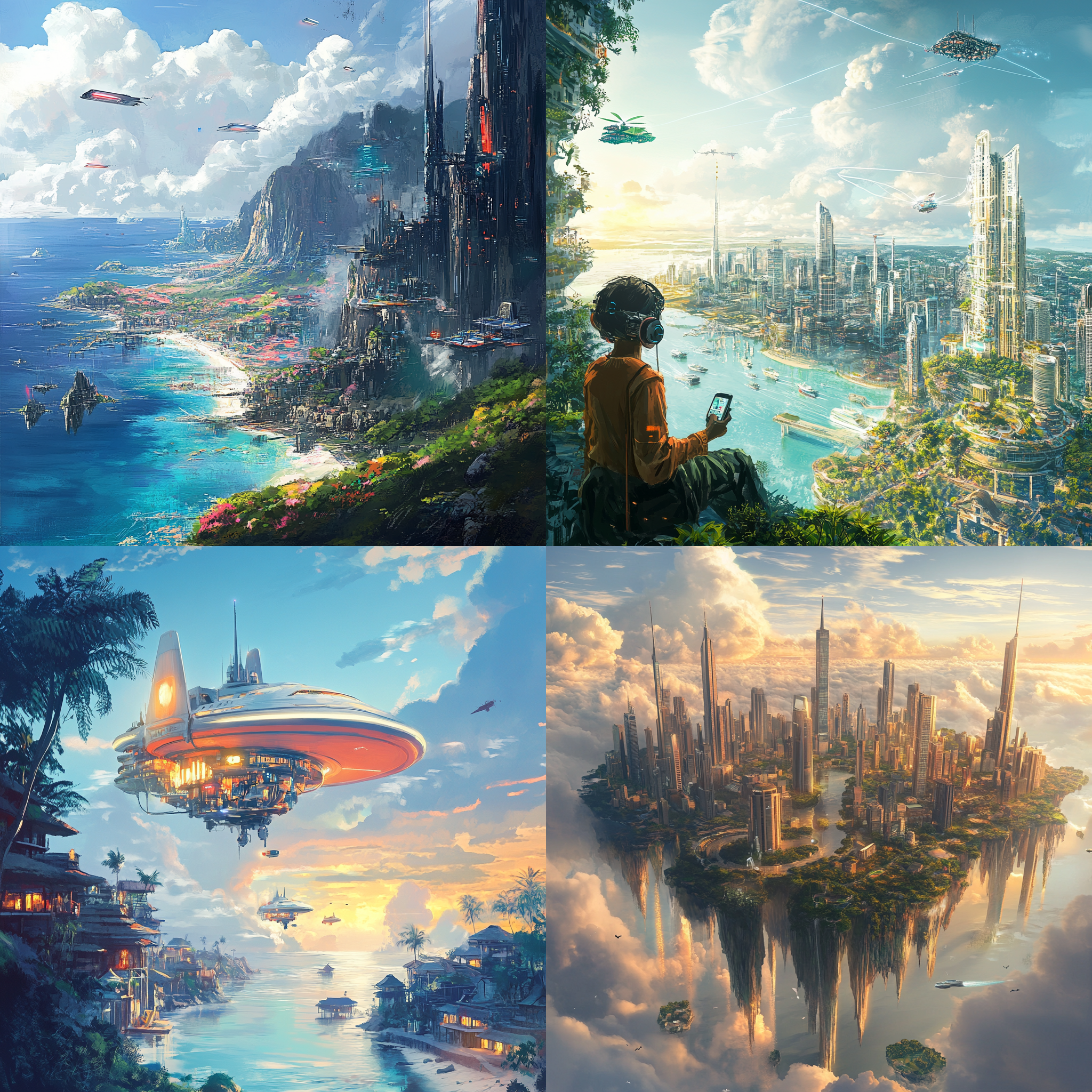
Imagine a future where bustling cities hum with the efficiency of smart infrastructure, where remote islands are connected through seamless digital networks, and where Indonesian innovation leads the world. This isn’t a far-fetched dream; it’s a tangible reality being built brick by digital brick, powered by the ingenuity and ambition of a nation ready to embrace the future.
Indonesia’s High-Tech Ambition: Aiming for the Stars (and Maybe a Few Satellites)
Indonesia has boldly declared its ambition to become a leader in the high-tech arena. This isn’t about simply adopting existing technologies; it’s about fostering an ecosystem where innovation thrives, where homegrown solutions are nurtured, and where Indonesia becomes a significant player in the global tech landscape. Think less “assemble it here” and more “invented and built here.”
The focus is sharp, targeting industries that hold the key to unlocking unprecedented growth and societal advancement. Robotics and Artificial Intelligence (AI) are not just buzzwords in Jakarta boardrooms; they are the cornerstones of this technological leap. From automating manufacturing processes to developing AI-powered solutions for healthcare and agriculture, these technologies hold the promise of revolutionizing how Indonesia operates.
Robotics: More Than Just Dancing Machines (Though Those Are Cool Too)
Robotics is poised to inject a new level of efficiency and precision into Indonesia’s burgeoning industries. Imagine sophisticated robots working in factories, enhancing productivity and quality control to levels previously unimaginable. Consider robots assisting in complex surgical procedures, improving patient outcomes and access to specialized care. Beyond the factory floor and the operating room, robots can play a crucial role in infrastructure development, tackling challenging tasks with accuracy and speed. Perhaps we’ll even see robots helping to navigate Jakarta’s infamous traffic – now that would be a technological marvel worth celebrating!
Artificial Intelligence: The Smart Brain Behind Indonesia’s Progress
AI, the intelligent force multiplier, offers a vast spectrum of possibilities. Think of AI analyzing vast datasets to optimize agricultural yields, ensuring food security for the nation. Picture AI-powered platforms delivering personalized education to students across the archipelago, bridging geographical divides. Envision AI enhancing cybersecurity, protecting critical infrastructure and data in an increasingly connected world. From predicting weather patterns to optimizing energy consumption, AI has the potential to touch and improve nearly every aspect of Indonesian life.
Economic Growth: The High-Tech Dividend
The infusion of high technology is not just about sleek gadgets and complex algorithms; it’s about cold, hard economic growth. The development and adoption of advanced technologies will stimulate new industries, attract foreign investment, and boost overall productivity. Imagine Indonesia becoming a hub for robotics manufacturing or a global leader in AI-driven solutions. This isn’t just wishful thinking; it’s a realistic projection based on the transformative power of technology.
Job Creation: The Human Side of the Tech Revolution
While some might fear that automation will lead to job losses, the reality is that the high-tech revolution will also create a plethora of new job opportunities. These won’t necessarily be the same jobs of the past, but rather roles requiring new skills in areas like robotics engineering, AI development, data science, and cybersecurity. Indonesia’s focus on education and skills development will be crucial in preparing its workforce for these future-oriented careers. Think of a new generation of tech-savvy Indonesians leading the charge in innovation and driving the digital economy.
Global Competitiveness: Indonesia on the World Stage
Embracing high technology is not just an internal affair; it’s about enhancing Indonesia’s global competitiveness. In an increasingly interconnected world, nations that are at the forefront of technological advancement have a significant edge. By becoming a high-tech powerhouse, Indonesia can attract international partnerships, participate in global value chains at a higher level, and project its influence on the world stage. Imagine Indonesian tech companies becoming global giants, showcasing the nation’s innovation and ingenuity.
Impact Across Sectors: A Ripple Effect of Progress
The impact of high technology will be felt across all sectors of the Indonesian economy.
- Agriculture: AI-powered precision farming can optimize resource use, increase yields, and improve the livelihoods of farmers. Imagine drones monitoring crops and AI analyzing soil conditions to maximize productivity.
- Manufacturing: Robotics and automation can enhance efficiency, reduce costs, and improve the quality of manufactured goods, making Indonesian products more competitive globally.
- Healthcare: AI can assist in diagnosis, drug discovery, and personalized treatment, improving healthcare access and outcomes for all Indonesians. Telemedicine, powered by high-speed internet, can bridge geographical barriers to healthcare.
- Education: Technology can personalize learning experiences, provide access to quality education in remote areas, and equip students with the skills needed for the future. Think of interactive digital learning platforms and AI tutors assisting students.
- Infrastructure: Smart city technologies can improve urban planning, traffic management, and resource allocation, making cities more livable and efficient. Imagine sensors optimizing traffic flow and AI managing energy grids.
- Tourism: Virtual reality and augmented reality can enhance the tourism experience, attracting more visitors and showcasing Indonesia’s natural beauty and cultural heritage in innovative ways.
Government Initiatives: Laying the Foundation for a Tech-Driven Future
The Indonesian government recognizes the transformative potential of high technology and is actively implementing initiatives to support its development. This includes investing in digital infrastructure, fostering innovation hubs, providing funding for research and development, and developing policies that encourage technological adoption. Think of government programs designed to upskill the workforce in digital technologies and create a favorable environment for startups to flourish.
Challenges and Opportunities: Navigating the Tech Frontier
The journey towards becoming a high-tech nation is not without its challenges. Issues such as the digital divide, the need for robust cybersecurity measures, and the ethical considerations of AI need to be addressed. However, these challenges also present significant opportunities for innovation and leadership. By proactively addressing these issues, Indonesia can pave the way for a sustainable and inclusive high-tech future.
Conclusion: Embracing the Future, Today
Indonesia stands at a pivotal moment. The commitment to discipline, anti-corruption, productivity, and health, championed by the new leadership, provides a fertile ground for high technology to flourish. By embracing innovation, investing strategically, and nurturing its talent, Indonesia can not only achieve its development goals but also emerge as a significant force in the global technological landscape. The future is not something to be waited for; it’s something to be built, innovated, and led. And Indonesia, with its vibrant spirit and unwavering determination, is ready to lead the way, far beyond the archipelago, into a bright, high-tech future.
References
(Note: As per your instructions, the references are placed at the end of the article. Since I do not have access to real-time research or specific articles you might be referring to, I will provide general examples of the types of sources that would be relevant for such an article. When you rewrite this, please replace these with your actual references.)
- Government of Indonesia Publications: Reports and policy documents from ministries related to technology, industry, and economic development.
- Academic Research: Scholarly articles and studies on technology adoption, economic development, and innovation in Indonesia and Southeast Asia.
- Industry Reports: Analyses and forecasts from technology research firms and industry associations regarding the robotics and AI sectors in Indonesia.
- News Articles and Media Coverage: Reputable news sources reporting on Indonesia’s technological advancements, government initiatives, and economic trends.
- Expert Interviews: Insights and perspectives from technology leaders, academics, and policymakers in Indonesia.
- International Organization Reports: Publications from organizations like the World Bank, IMF, and ASEAN on Indonesia’s economic and technological developme
 Kaizeneers
Leave a comment