

Indonesia, a vibrant archipelago teeming with culture and warmth, is also a nation rapidly embracing the digital age. For its children, this means a world of unprecedented opportunities for learning, connection, and creativity. However, this digital frontier, much like the physical one, comes with its own set of challenges, particularly concerning online safety.While technical safeguards are crucial, fostering a culture of kindness and empathy online is the bedrock upon which a truly safe and positive digital experience for Indonesian children can be built. This article delves into the vital importance of nurturing these qualities, equipping young netizens with the social and emotional tools to navigate the digital landscape responsibly and ethically.
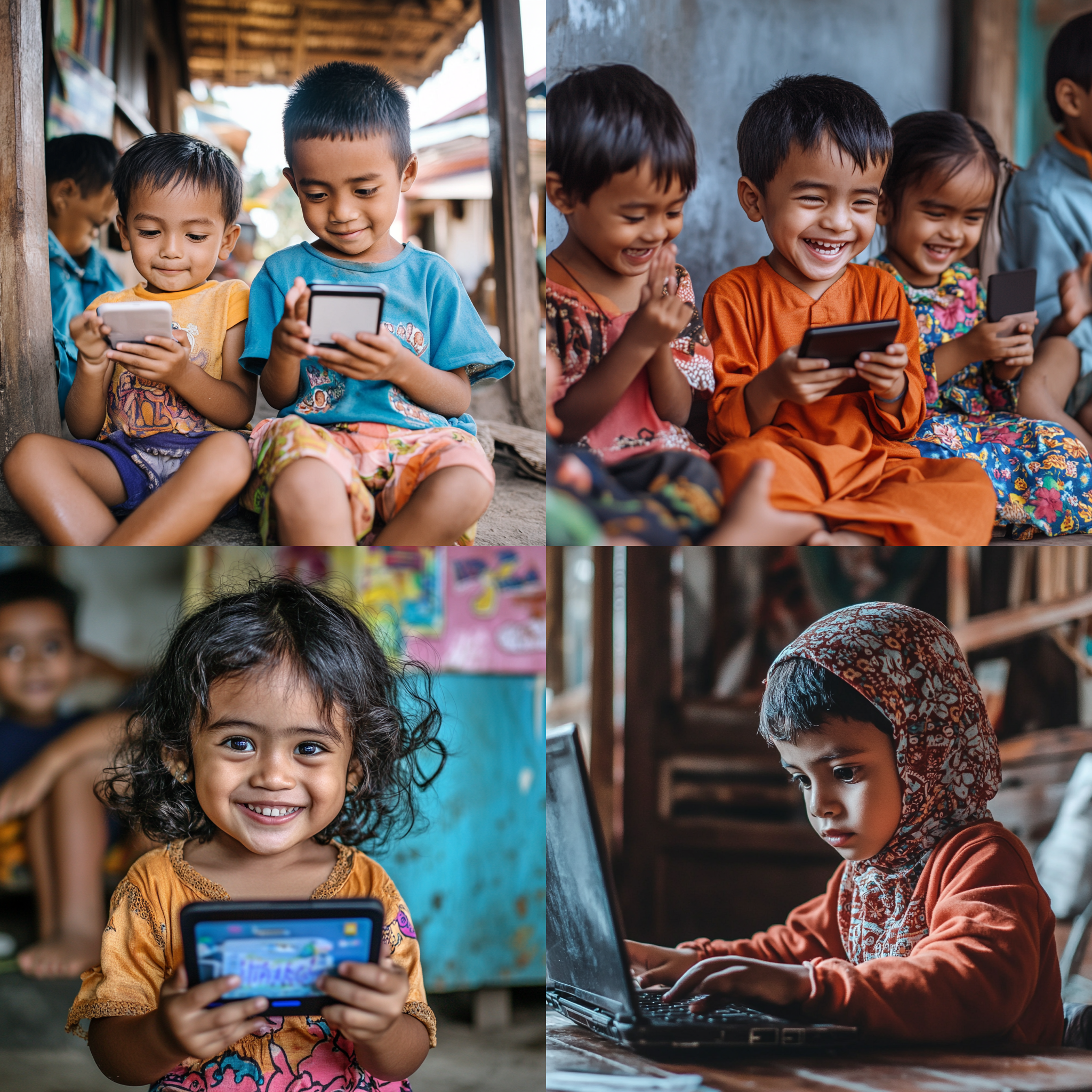
Firstly, it’s paramount to instill in children the understanding that the digital realm, though seemingly abstract, is populated by real people with real feelings. The anonymity the internet can sometimes afford does not negate the impact of one’s words and actions. Just as a hurtful comment in the schoolyard can cause distress, so too can a thoughtless remark online. Imagine a child, let’s call him Budi, posting a meme that subtly mocks a classmate’s presentation. While Budi might see it as a bit of harmless fun, the classmate, perhaps feeling already vulnerable, could be deeply hurt. This simple scenario underscores the need to teach children about online etiquette, often called “netiquette,” and the fundamental principle of empathy: understanding and sharing the feelings of another. As they navigate social media, online games, and chat forums, children need to grasp that behind every profile picture and username is a human being deserving of respect and consideration. It’s about bridging the gap between the screen and the heart, making them realize that their digital footprint is an extension of their real-world interactions.
Secondly, actively teaching and promoting strategies for positive online interactions is essential. This goes beyond simply telling children to “be nice.” It involves equipping them with concrete skills. For instance, encouraging them to think before they post is crucial. Just like you wouldn’t blurt out the first thought that pops into your head in a face-to-face conversation (most of the time, anyway!), the same principle applies online. Asking themselves questions like, “How might this make someone feel?” or “Is this information accurate and helpful?” can be powerful filters. Furthermore, fostering respect for differing opinions is vital in a diverse online environment. Children need to understand that disagreements are normal, but they should be expressed respectfully and constructively, without resorting to personal attacks or inflammatory language. And perhaps most importantly, empowering them to stand up to cyberbullying, whether they are the target or a witness, is crucial. This could involve teaching them how to report bullying on various platforms, how to offer support to victims, and how to confidently say “no” to harmful behavior. Think of it as training them to be digital upstanders, not bystanders.
The internet, often portrayed as a breeding ground for negativity, also holds immense potential as a force for good.Highlighting this aspect can be incredibly motivating for children. Imagine a group of students in Jakarta using online platforms to organize a fundraising campaign for a local orphanage, or a young artist in Surabaya sharing their work online and receiving positive feedback and encouragement that fuels their passion. These examples demonstrate how the internet can connect people across geographical boundaries for collaborative projects, learning opportunities, and the spread of inspiring and uplifting messages. Showcasing these positive applications can shift the narrative and encourage children to see themselves as agents of positivity in the digital space. It’s about demonstrating that they can use their online presence to make a real difference, however small, in the world around them.
Moreover, it’s crucial to make children aware of their digital footprint and its lasting impact. What they post online today can have implications for their future opportunities. While the idea of college applications or job prospects might seem distant to a younger child, the concept of reputation is not. Explaining that what they share online can be seen by others, including future educators or employers, can be a powerful motivator for responsible behavior. Think of it like this: if you wouldn’t want your grandmother or your favorite teacher to see something you’re about to post, maybe it’s worth reconsidering. This isn’t about scaring them into silence, but rather about fostering an understanding of the permanence of the internet and the importance of cultivating a positive online identity. It’s about helping them build a digital legacy they can be proud of.
Ultimately, cultivating a culture of kindness and empathy online for Indonesian children requires a multi-faceted approach involving parents, educators, and the children themselves. Parents play a vital role in initiating conversations about online behavior, modeling respectful online interactions, and providing guidance and support. Educators can integrate digital citizenship into their curriculum, using real-life scenarios and discussions to help children navigate ethical dilemmas online. And children, empowered with the right knowledge and skills, can become advocates for kindness within their own online circles.
Let’s face it, navigating the internet can sometimes feel like trying to cross a Jakarta intersection during rush hour – chaotic and a little bit overwhelming. But just like a little politeness and patience can go a long way in real life, kindness can make all the difference online. Imagine if every child in Indonesia embraced the #BeInternetKind mantra. Instead of viral negativity, we could see a wave of online positivity, where encouragement outweighs criticism, and empathy trumps anger. It might sound idealistic, but it’s a goal worth striving for.
In conclusion, while firewalls and filters are essential tools in the online safety arsenal, they are not a substitute for the human element. By emphasizing the importance of online etiquette, fostering empathy, showcasing the positive potential of the internet, and making children aware of their digital footprint, we can empower Indonesian children to not just be safe online, but to be a force for good. Let’s equip them with the ultimate superpower: kindness. Because in the vast digital ocean, a little bit of kindness can create a ripple effect that transforms the online experience for everyone. And who knows, maybe one day, the internet will be as warm and welcoming as a traditional Indonesian family gathering. Wouldn’t that be something to LOL about, in the best possible way?
References:
- Resources on digital citizenship and online ethics:
- Common Sense Media (Global): Offers comprehensive resources on digital citizenship for educators and parents.
- The DQ Institute (Global): Focuses on digital intelligence and citizenship education.
- Relevant Indonesian NGOs focusing on child welfare and online safety (e.g., Yayasan Kita dan Buah Hati).
- Studies on the impact of online behavior on reputation and future opportunities:
- Academic journals focusing on social media and adolescent development.
- Reports from organizations studying online reputation management.
- Surveys on employer perceptions of online behavior of job candidates.
- Campaigns promoting kindness and empathy online:
- The #BeInternetKind campaign (if officially launched or similar initiatives).
- Anti-bullying campaigns with an online focus (e.g., StopBullying.gov).
- Social media platforms’ own initiatives promoting positive interactions.
 Kaizeneers
Leave a comment