

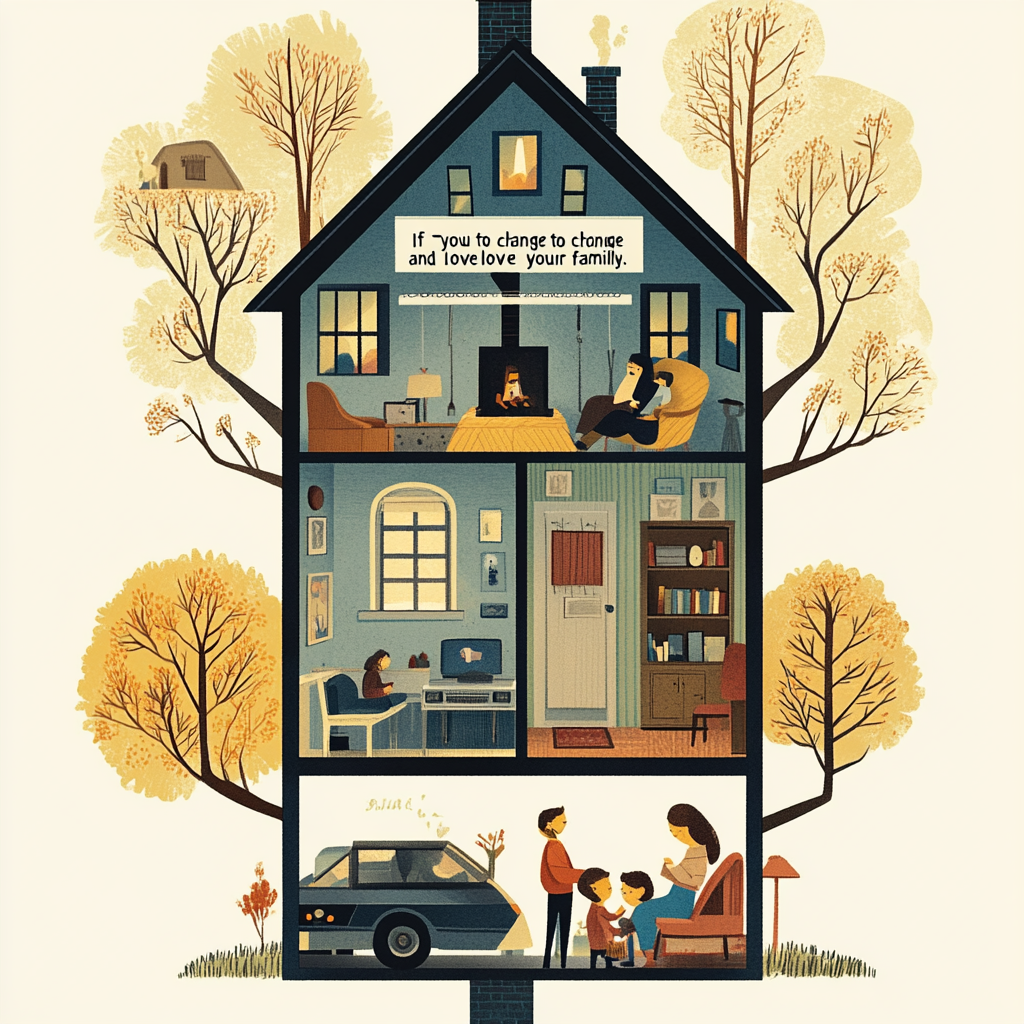
“If you want to change the world, go home and love your family.” — Mother Teresa
Social justice often feels vast — global policies, political movements, large-scale activism. But its roots are humble, intimate, and deeply personal. True justice starts in how we live every day, especially within the walls of our own homes, relationships, and personal decisions.
What we tolerate, encourage, and model at home becomes the foundation of the world outside. A society is merely a collection of individual values — reflected back at scale.
This article explores how cultivating personal values of empathy, fairness, and accountability in our daily lives quietly shapes a just and thriving world.
Redefining Social Justice — It’s More Personal Than You Think
For many, the term “social justice” conjures images of protests, legislation, or global movements. Yet the most profound social change often begins invisibly — in how we treat family, colleagues, strangers, and even ourselves.
Consider this: Every time you choose empathy over judgment at home, every time you teach a child to share or model fairness at work — you are practicing social justice.
Social justice is not only what happens in courts or parliaments. It thrives — or dies — in:
- Family dinner tables
- Classrooms
- Boardrooms
- Everyday conversations
Our personal values are where collective justice begins.
Personal Values as the Foundation of Social Change
Every great movement was first a personal conviction. Dr. Martin Luther King Jr., Malala Yousafzai, and millions of unnamed change-makers were raised with certain values — empathy, dignity, fairness — before they changed the world.
Key Personal Values that Shape Societies:
- Empathy: Teaching ourselves and others to feel what others feel
- Respect: Upholding the dignity of every person, regardless of status or background
- Honesty: Creating trust through truth-telling
- Accountability: Owning our actions and correcting our mistakes
Case Example:
Parents who teach children about racial inclusion, respect for women, fairness in sharing — those values radiate into future workplaces, communities, and governments.
The world is not changed by what we say, but by what we consistently model.
Habits That Build Personal Social Justice
Social justice is not only about dramatic public actions — it’s the sum of small, consistent, values-driven habits practiced every day.
1. Practicing Equity at Home and Work:
- Rotate chores regardless of gender
- Value every family or team member’s opinion equally
- Create spaces where everyone feels safe to speak and be heard
2. Listening as a Social Justice Act:
- Notice whose voices get ignored or interrupted — lift them
- Teach children (and yourself) the power of listening without judgment
- Engage with those outside your worldview to build empathy
3. Micro-Actions That Shape a Just Life:
- Choose to buy fair trade or ethical products when possible
- Support community initiatives, even in small ways
- Speak up — gently but firmly — when witnessing unfairness, racism, sexism
4. Teaching Accountability and Courage:
- Admit mistakes openly — teach children that accountability is strength
- Model gratitude, fairness, and standing up for others quietly but consistently
From Personal Integrity to Collective Impact
The ripple effect is real:
- A child raised in fairness becomes a leader who governs fairly
- A partner practicing respect builds a relationship that models justice
- A business owner who pays fair wages seeds economic equity
Every unseen action — the uncelebrated fairness at home, the empathy with a colleague, the small honest choice — accumulates into societal norms.
Social justice doesn’t start in headlines. It starts in your kitchen, your emails, your heart.
Conclusion & Call-to-Action
Social justice is not a distant ideal — it is a daily practice. It lives in our habits, values, and personal choices — especially when no one is watching.
“Small deeds done are better than great deeds planned.”
Today, choose one action — however small — that reflects the just world you wish to see:
- Speak kindly when frustrated
- Teach fairness at home
- Listen deeply to someone whose experience differs from yours
Because every great society is built — not in the courts — but in quiet, consistent moments of personal justice.
References & Further Reading:
- hooks, bell (2000). All About Love: New Visions
- Covey, S. (2004). The 7 Habits of Highly Effective People
- Harvard Business Review (2023). The Role of Personal Values in Shaping Ethical Leadership
 Kaizeneers
Leave a comment