
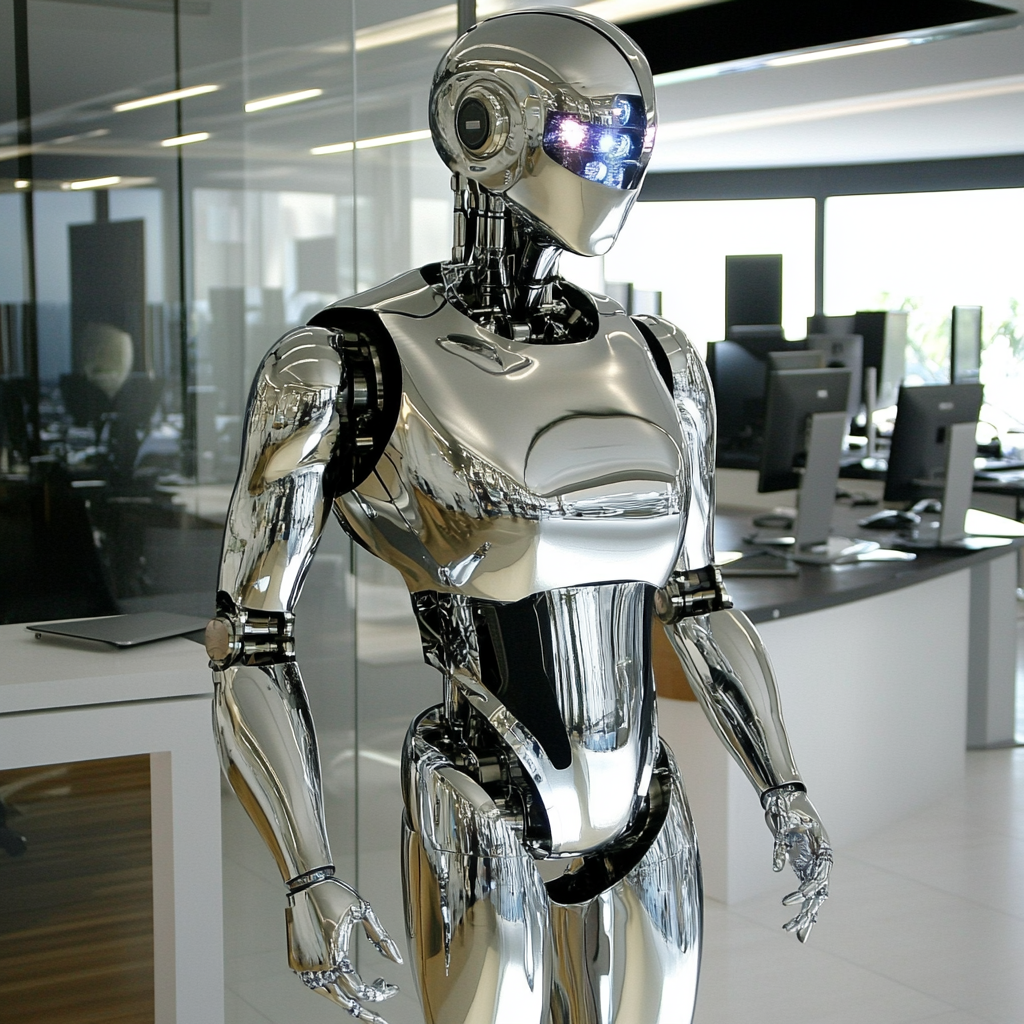
Artificial intelligence (AI) is no longer a concept reserved for tech labs or science fiction. From diagnosing diseases to optimizing crop yields, AI is driving breakthroughs in nearly every field. Globally, industries such as agriculture, manufacturing, finance, and healthcare are undergoing rapid transformation due to automation and intelligent systems. In this fast-evolving landscape, Indonesian children must be equipped not just to adapt, but to lead. To prepare them for the jobs of tomorrow, Indonesia needs to make AI education a priority.
Preparing Students for Future Job Markets
The global economy is changing at an unprecedented pace. As machines handle more repetitive tasks, human roles will increasingly focus on creativity, critical thinking, and data-driven decision-making. In this context, even entry-level jobs in many sectors will require a basic understanding of AI technologies. The World Economic Forum’s “Future of Jobs” report predicts that by 2025, more than half of the global workforce will need significant reskilling to keep up with these changes.
For Indonesia, which boasts a youthful population and a rapidly growing economy, the stakes are high. Starting AI education early gives students the foundational skills they need to thrive in a tech-driven world. By introducing concepts such as machine learning, natural language processing, and data visualization in primary and secondary schools, Indonesia can ensure that its future workforce is competitive, innovative, and ready to tackle complex challenges.
The Role of AI-Based Competitions
One of the most effective ways to engage students with AI is through hands-on, real-world challenges. By creating youth competitions focused on solving community problems, Indonesia can make AI education more accessible, exciting, and impactful. These events offer a practical, team-oriented approach that helps students learn by doing.
1. Launching Coding Competitions and Hackathons
Competitions create an environment of healthy rivalry and excitement, inspiring students to push their limits. For example, a national coding challenge could ask participants to develop AI tools that address pressing community issues—such as improving waste management or enhancing educational accessibility in rural areas. These events give students a clear goal and a platform to showcase their creativity.
2. Fostering Teamwork and Collaboration
By pairing students from different schools or regions, AI competitions can foster collaboration and cross-cultural understanding. Participants learn to share ideas, divide tasks, and build solutions collectively. This not only strengthens technical skills but also promotes essential soft skills like communication, teamwork, and problem-solving. In a diverse country like Indonesia, these interactions help break down barriers and create a more cohesive, innovative generation.
3. Offering Meaningful Incentives
Competitions become even more engaging when there are tangible rewards. While the prizes don’t need to be extravagant, even small tokens of recognition—certificates, scholarships, or tech gadgets—can motivate students to dive deeper into the subject. The sense of achievement that comes from completing a challenging project and being acknowledged for it encourages students to continue exploring AI long after the event ends.
4. Framing Challenges Around Real-World Problems
When competitions focus on practical issues, they highlight the immediate relevance of AI. For example, a challenge could involve using machine learning models to predict local weather patterns, helping farmers decide when to plant their crops. Another competition might task students with creating AI-driven apps that help their peers learn more effectively, making education more engaging and personalized.
By connecting AI education to real-world applications, these competitions demonstrate that AI is not just a theoretical tool—it’s a means to improve everyday life. Students gain a deeper understanding of how technology can address societal challenges, empowering them to think critically about the role they can play in shaping their communities.
Real-World Benefits of AI Education for Kids
Beyond the excitement of competition, AI education prepares Indonesian students for long-term success. By building foundational knowledge early on, students gain the confidence to pursue careers in technology, engineering, data science, and beyond. They also become more adaptable, capable of navigating a world where technology evolves at lightning speed.
Moreover, these programs contribute to national development. With a strong base of AI-savvy talent, Indonesia can attract more international investment, foster local innovation, and drive economic growth. Companies will be more likely to establish research centers, develop new products, and hire locally when they know that the workforce has the necessary skills.
Overcoming Challenges
Of course, implementing AI education on a wide scale comes with challenges. Not all schools have the resources or infrastructure needed to teach advanced technology. Teachers may need training to confidently introduce AI concepts. Internet access and device availability vary widely across the archipelago.
These hurdles, however, are not insurmountable. Partnerships with universities, tech companies, and non-governmental organizations can provide funding, resources, and expertise. Government initiatives can help equip schools with the necessary tools and offer professional development programs for educators. Additionally, introducing AI education through informal settings—such as community centers, libraries, and after-school programs—ensures that students in underserved areas still have access to quality learning opportunities.
Conclusion: Building a Future-Ready Indonesia
AI education is not just about coding and algorithms—it’s about fostering a mindset of innovation, collaboration, and critical thinking. By starting early, Indonesia can prepare its children to lead in a world increasingly shaped by technology. Competitions and hands-on challenges offer a dynamic, engaging way to bring AI into classrooms and communities, ensuring that all students—regardless of background—have the opportunity to thrive.
As Indonesia moves toward becoming a digital powerhouse, investing in AI education for kids is a crucial step. By prioritizing education, providing the right tools, and fostering creativity through real-world challenges, the nation can create a generation of thinkers, creators, and leaders who are not only ready for the future but eager to shape it.
References
- World Economic Forum. (2021). The Future of Jobs Report 2021.
- McKinsey & Company. (2020). The State of AI in Southeast Asia.
- United Nations Educational, Scientific and Cultural Organization (UNESCO). (2021). Artificial Intelligence and Education: Guidance for Policy-makers.
 Kaizeneers
Leave a comment