
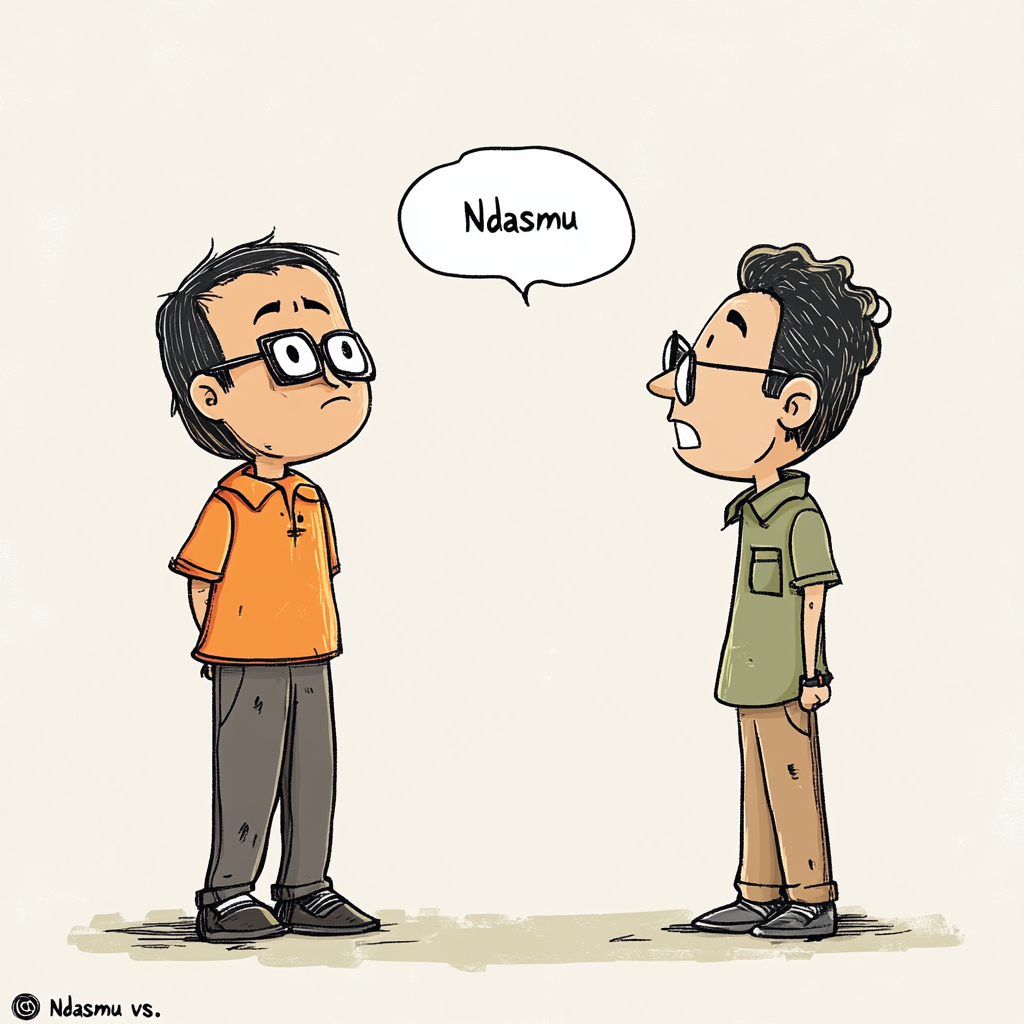
“Ndasmu” vs. “Terima Kasih”: A Hilarious Guide to Indonesian Politeness (Because We’re Better Than That, Right?)
Ah, Indonesia! Land of a thousand islands, a million smiles, and… “ndasmu”? Wait, what? While we’re known for our legendary hospitality and charming manners (remember those tourism ads?), it seems some less-than-savory phrases have been creeping into our everyday conversations, especially in the fiery world of politics.
Now, before you grab your keris and start a politeness revolution, let’s take a deep breath and remember those wise words from our grandmothers: “Mulutmu harimaumu” (Your mouth is your tiger). In other words, our words have power. They can build bridges, mend broken hearts, and even score you an extra piece of tempe at the warung. But they can also unleash a verbal tiger, leaving a trail of hurt feelings and awkward silences.
And let’s be real, nobody wants to be that person – the one who leaves a conversation smelling like a durian that’s been left out in the sun too long. So, let’s embark on a hilarious journey through the do’s and don’ts of Indonesian politeness, shall we?
“Ndasmu” – The Verbal Durian of Doom
Okay, let’s address the elephant (or should I say, durian) in the room: “ndasmu.” This word, my friends, is the linguistic equivalent of showing up to a kondangan in your pajamas. It’s just not done. It’s like offering your grandma a plate of sambal matah when she’s expecting a delicate slice of kue lapis. It’s a recipe for disaster, and probably some indigestion.
Imagine this: You’re at a pasar, haggling over the price of some deliciously ripe mangoes. The seller insists on an outrageous price. Now, you have two options:
- Option A: The “Ndasmu” Approach: You unleash your inner tiger, roaring, “Ndasmu! That price is ridiculous! Are you trying to rob me blind?” The seller bristles, the surrounding shoppers gasp, and suddenly, those mangoes seem less appealing.
- Option B: The “Terima Kasih” Approach: You smile politely and say, “Ibu, that’s a bit too high for my budget. Could we perhaps agree on a slightly lower price?” The seller, disarmed by your politeness, might just offer you a better deal. You walk away with delicious mangoes and a sense of accomplishment, leaving a trail of good vibes in your wake.
See the difference? “Ndasmu” is like a verbal durian – pungent, prickly, and likely to leave a lingering (and not entirely pleasant) aftertaste. “Terima Kasih,” on the other hand, is like a fragrant jasmine – delicate, charming, and guaranteed to sweeten any interaction.
Why Politeness Matters (More Than Your Gojek Driver’s Punctuality)
Now, you might be thinking, “But why all this fuss about politeness? Can’t we just be direct and get things done?” Well, my friends, in Indonesia, politeness is more than just saying “please” and “thank you.” It’s woven into the fabric of our culture, a reflection of our values of respect, empathy, and social harmony.
Think of it like nasi goreng – a delicious blend of flavors that come together to create something truly special. Just as each ingredient plays a crucial role, each polite word and gesture contributes to a harmonious society. When we use respectful language, we acknowledge the dignity and worth of others, fostering an atmosphere of trust and understanding.
And let’s not forget the practical benefits! Politeness can open doors (literally and figuratively), smooth ruffled feathers, and maybe even get you that coveted window seat on your next flight. It’s like karma, but with better kopi susu.
Level Up Your Politeness Game (and Become a Social Butterfly)
So, how can you become a master of Indonesian politeness and avoid any accidental “ndasmu” explosions? Here are a few tips to get you started:
- Mind Your Manners: Remember the magic words: “tolong” (please), “terima kasih” (thank you), “maaf” (sorry), and “permisi” (excuse me). Sprinkle them liberally into your conversations like bawang goreng on your favorite soup.
- Embrace Indirectness: Indonesians are masters of indirect communication. Instead of saying “no” directly, we might say “maybe later” or “I’ll think about it.” Learn to read between the lines and appreciate the art of subtle communication. It’s like a fun game of charades, but with fewer awkward gestures.
- Respect Elders: Show extra respect to elders by using polite titles like “Bapak” (father) or “Ibu” (mother) and speaking in a softer tone. Remember, our elders are the keepers of our wisdom and traditions, and they deserve our utmost respect. Plus, they might just share some of their secret recipes with you.
- Smile! A genuine smile can go a long way in any interaction. It shows warmth, friendliness, and a willingness to connect. Plus, it’s contagious! You might just start a smile epidemic, and who wouldn’t want to be responsible for that?
Let’s Make Indonesia Even More Awesome (Because We Can)
So, my friends, let’s ditch the “ndasmu” and embrace the “terima kasih.” Let’s make Indonesia a land where politeness reigns supreme, where even disagreements are handled with grace and respect. After all, we’re a nation known for our warmth and hospitality. Let’s show the world that we’re not just friendly, we’re also incredibly polite. And who knows, maybe with enough politeness, we can even convince the durian to tone down its… fragrance. Okay, maybe that’s a bit ambitious, but hey, a blogger can dream, right?
Remember, my friends, your words matter. Choose them wisely, use them kindly, and let’s make Indonesia an even more awesome place, one “terima kasih” at a time!
 Kaizeneers
Leave a comment