
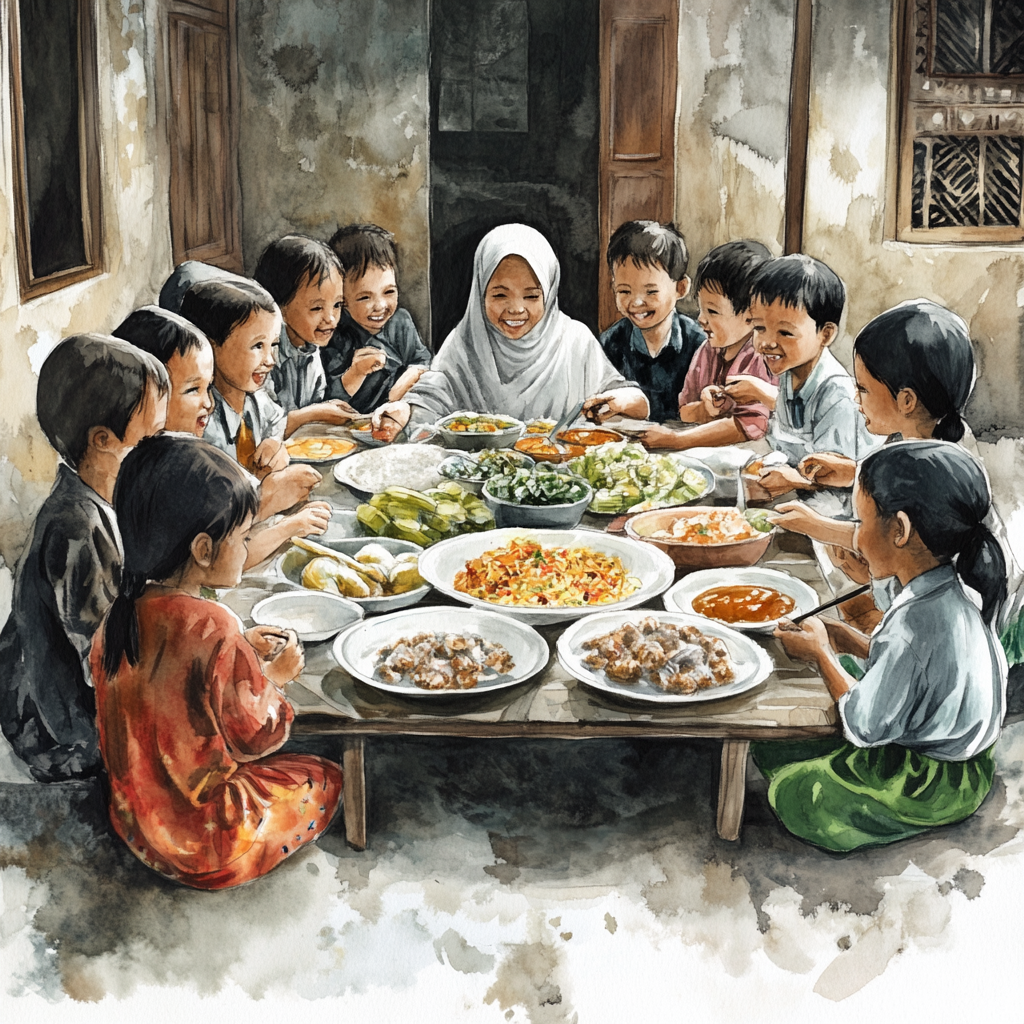
Indonesia, a nation brimming with youthful energy and potential, is embarking on a remarkable journey to nourish its future. At the heart of this journey lies a transformative initiative: the Free School Meals Program. More than just a meal, this program is a seed planted for a brighter tomorrow, one where every child has the opportunity to thrive and reach their full potential.
A Brighter Future: The Long-Term Impact of Indonesia’s Free School Meals Program
Imagine a future Indonesia where its workforce is not only skilled but also healthy and vibrant, where poverty and inequality are significantly reduced, and where communities are resilient and prosperous. This is the vision that the Free School Meals Program is helping to realize. By investing in the health and well-being of its children today, Indonesia is laying the foundation for a brighter future for generations to come.
1. A Healthier and More Productive Workforce:
The program’s impact on health extends far beyond childhood. Well-nourished children grow into healthy adults, less susceptible to chronic diseases and more capable of contributing to the workforce. By reducing stunting and malnutrition, the program is investing in a future workforce that is physically and mentally robust, leading to increased productivity and economic growth. A healthy workforce translates to a healthier economy, with reduced healthcare costs and increased national output.
2. Reduced Poverty and Inequality:
The Free School Meals Program is a powerful tool for social equity. By providing nutritious meals to all children, regardless of their socioeconomic background, the program helps to level the playing field and break the cycle of poverty. Children from disadvantaged families, who may otherwise struggle with hunger and malnutrition, are given the opportunity to thrive alongside their peers. This not only improves their health and educational outcomes but also empowers them to break free from the constraints of poverty and contribute to their communities.
3. Improved Educational Outcomes and Human Capital Development:
Education is the cornerstone of progress, and the Free School Meals Program is a catalyst for educational advancement. By ensuring that children are well-nourished and able to focus on their studies, the program contributes to improved learning outcomes and higher educational attainment. This, in turn, leads to a more skilled and educated workforce, driving innovation and economic growth. Investing in human capital is an investment in the future, and the Free School Meals Program is a key driver of this investment.
4. Strengthened Social Cohesion and Community Resilience:
The program fosters a sense of community and shared responsibility. By bringing together students, parents, teachers, and community members, the program creates a network of support and collaboration. This strengthens social bonds and builds resilience within communities, enabling them to better cope with challenges and adversity. A strong and cohesive community is a foundation for a strong and prosperous nation.
5. Enhanced Food Security and Sustainable Agriculture:
The program’s emphasis on local procurement promotes sustainable agriculture and strengthens local food systems. By sourcing ingredients from local farmers and producers, the program creates a stable market for agricultural products, supporting rural livelihoods and promoting food security. This reduces reliance on imported food and strengthens the resilience of local food systems, ensuring that communities have access to nutritious and affordable food.
6. A More Resilient and Prosperous Nation:
The cumulative impact of these benefits leads to a more resilient and prosperous nation. A healthy, educated, and empowered population is better equipped to face challenges, adapt to change, and contribute to economic growth. The Free School Meals Program is an investment in the future of Indonesia, laying the groundwork for a nation that is not only economically strong but also socially just and sustainable.
7. A Brighter Future for Generations to Come:
The true legacy of the Free School Meals Program lies in the future generations it will shape. By providing children with the nourishment and support they need to thrive, the program is creating a ripple effect of positive change that will be felt for decades to come. These children, empowered by education and nourished by healthy meals, will become the leaders, innovators, and changemakers of tomorrow. They will build a stronger, more equitable, and more prosperous Indonesia for themselves and for generations to come.
Conclusion:
Indonesia’s Free School Meals Program is a beacon of hope, a testament to the nation’s commitment to its children and their future. By investing in their health, education, and well-being, Indonesia is investing in its own future. The program is not just about providing meals; it’s about building a brighter future for all. Let us celebrate the successes of this vital initiative and continue to support its growth and expansion. Together, we can ensure that every child in Indonesia has the opportunity to reach their full potential and contribute to a more prosperous and equitable nation.
 Kaizeneers
Leave a comment