
In the bustling symphony of the 21st century workplace, where technology hums and AI algorithms dance, the pressures can feel overwhelming. Deadlines loom like thunderclouds, emails flood inboxes like a relentless downpour, and the ever-present buzz of notifications threatens to drown out our focus. It’s enough to make even the most seasoned professional feel like they’re caught in a never-ending game of whack-a-mole, frantically trying to keep up.
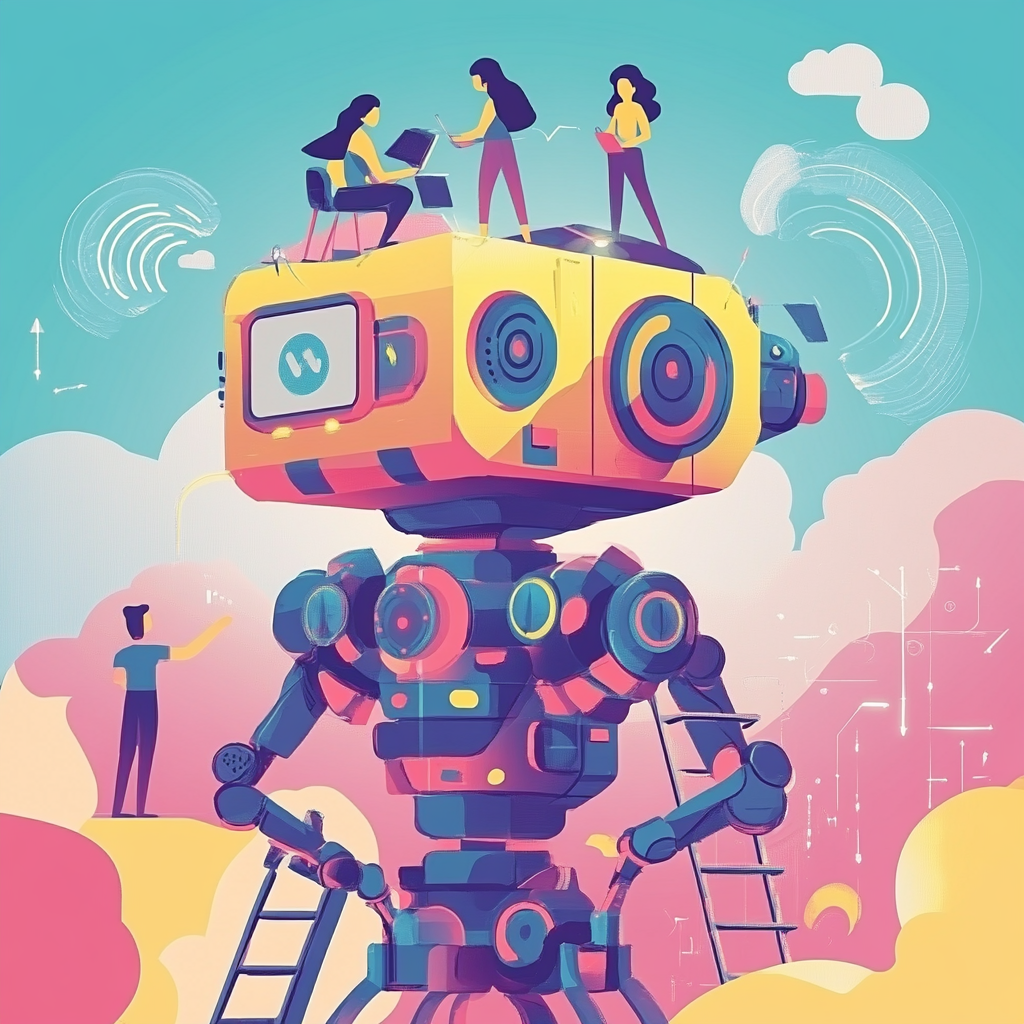
But amidst this chaos, a resilient spirit can be your secret weapon, your shield against burnout and your springboard to success. Workplace resilience, the ability to bounce back from setbacks, adapt to change, and thrive under pressure, is not just a buzzword—it’s the key to navigating the complexities of the modern work environment and emerging stronger on the other side.
Common Workplace Stressors and How to Cope
Let’s face it, the workplace can be a breeding ground for stress. From demanding workloads and tight deadlines to interpersonal conflicts and the fear of job insecurity, there’s no shortage of challenges to test our resilience. The key is to recognize these stressors and develop healthy coping mechanisms.
- Overwhelm and Burnout: When your to-do list seems to stretch to infinity and beyond, it’s essential to prioritize tasks, delegate when possible, and set realistic expectations. Remember, you’re not a superhero (even if your colleagues secretly suspect you are). Take breaks, recharge your batteries, and don’t be afraid to say “no” when your plate is already overflowing.
- Interpersonal Conflicts: Navigating workplace relationships can be trickier than deciphering cryptic code. When conflicts arise, approach them with empathy and a willingness to find common ground. Remember, open communication and active listening are key to resolving disagreements and fostering a harmonious work environment.
- Fear of Job Insecurity: The rise of AI and automation can create a sense of unease about the future of work. Instead of succumbing to fear, embrace a growth mindset, continuously upskill, and stay adaptable to the changing landscape. Remember, your unique human skills, like creativity, critical thinking, and emotional intelligence, are invaluable assets in the AI age.
Building Resilience Through Self-Care and Stress Management
Think of resilience as a muscle that needs to be strengthened through consistent training. Self-care and stress management are the essential workouts for building this mental and emotional fortitude.
- Prioritize Sleep: A well-rested brain is better equipped to handle challenges and make sound decisions. Aim for 7-8 hours of quality sleep each night, and create a relaxing bedtime routine to signal to your body that it’s time to wind down.
- Nourish Your Body: Fuel your mind and body with nutritious foods that provide sustained energy and support cognitive function. Avoid relying on caffeine and sugary snacks for a quick fix, as they can lead to crashes and mood swings.
- Move Your Body: Regular exercise isn’t just good for your physical health; it also releases endorphins, reduces stress hormones, and boosts your mood. Find activities you enjoy, whether it’s yoga, running, or dancing in your living room to your favorite playlist.
- Mindfulness and Meditation: These practices can help you cultivate present-moment awareness, reduce anxiety, and improve your ability to respond to stressful situations with calm and clarity.
The Role of Supportive Relationships at Work
In the workplace, as in life, we’re not meant to go it alone. Supportive relationships with colleagues, mentors, and managers can provide a lifeline during challenging times and foster a sense of belonging and connection.
- Cultivate Strong Bonds: Take the time to get to know your colleagues beyond their job titles. Share a laugh over coffee, offer a helping hand when needed, and celebrate each other’s successes.
- Seek Mentorship: Find a mentor who can offer guidance, support, and encouragement as you navigate your career path.
- Open Communication with Managers: Establish a trusting relationship with your manager where you can openly discuss challenges and seek support when needed.
Developing a Proactive Approach to Problem-Solving
Resilient individuals don’t just react to problems; they anticipate them and take proactive steps to address them before they escalate. This involves:
- Critical Thinking and Problem-Solving Skills: Develop your ability to analyze situations, identify potential challenges, and generate creative solutions.
- Planning and Organization: Create systems and routines that help you stay on top of your workload and minimize last-minute fire drills.
- Adaptability: Embrace change and be willing to adjust your approach when faced with unexpected obstacles.
- Learning from Mistakes: View setbacks as learning opportunities and use them to refine your strategies for the future.
Creating a Resilient Work Culture
Building a resilient workforce is not just an individual responsibility; it’s a collective effort that requires leadership and organizational support. Organizations can foster resilience by:
- Promoting Work-Life Balance: Encourage employees to take breaks, use their vacation time, and prioritize their well-being.
- Offering Flexible Work Arrangements: Provide options for remote work or flexible schedules to accommodate employees’ needs and promote work-life integration.
- Investing in Employee Development: Provide opportunities for training, mentorship, and skill-building to help employees grow and adapt to change.
- Fostering a Culture of Support: Create an environment where employees feel comfortable seeking help, sharing ideas, and celebrating each other’s successes.
Conclusion:
In the ever-evolving landscape of the 21st century workplace, resilience is not just a desirable trait—it’s a necessity. By cultivating self-care habits, building strong relationships, and adopting a proactive approach to problem-solving, you can navigate challenges with grace, bounce back from setbacks, and achieve sustainable success. Remember, resilience is not about avoiding stress or challenges, but about developing the inner strength to thrive amidst them. So, let’s embrace the inevitable ups and downs of work life, armed with the tools of resilience and a spirit of unwavering determination.
 Kaizeneers
Leave a comment