
In the grand opera of the 21st century, where technology whirls around us like a ballet of bits and bytes, and AI whispers promises of efficiency and innovation, the human element remains the heart of any successful endeavor. We’re no longer just cogs in a machine; we’re the composers, conductors, and performers in a symphony of innovation. But amidst the cacophony of individual talents, ambitions, and the occasional off-key note, how do we ensure that everyone is playing the same tune?
Enter the maestro of modern teams: shared goals. In this age of rapid change and AI-powered possibilities, a clear, unified vision acts as the sheet music, guiding each member of the orchestra towards a harmonious performance.
Clarity and Alignment: The Foundation of a Resonant Performance
Imagine an orchestra where each musician plays their own melody, oblivious to the conductor’s baton or the overarching composition. The result? A discordant mess, a cacophony of misaligned intentions. The same principle applies to teams and organizations navigating the complexities of the AI era. Without a shared goal, individuals may pull in different directions, wasting valuable time and resources.
Establishing a shared goal is akin to handing each musician the same sheet music. It creates clarity and alignment,ensuring that everyone is working towards the same outcome, minimizing confusion and misdirected efforts. This clarity isn’t just about efficiency; it provides a sense of purpose and direction, motivating individuals to contribute their best.When everyone understands the ultimate destination, they’re more likely to play their part with passion and precision.
AI Integration: Harmonizing Humans and Machines
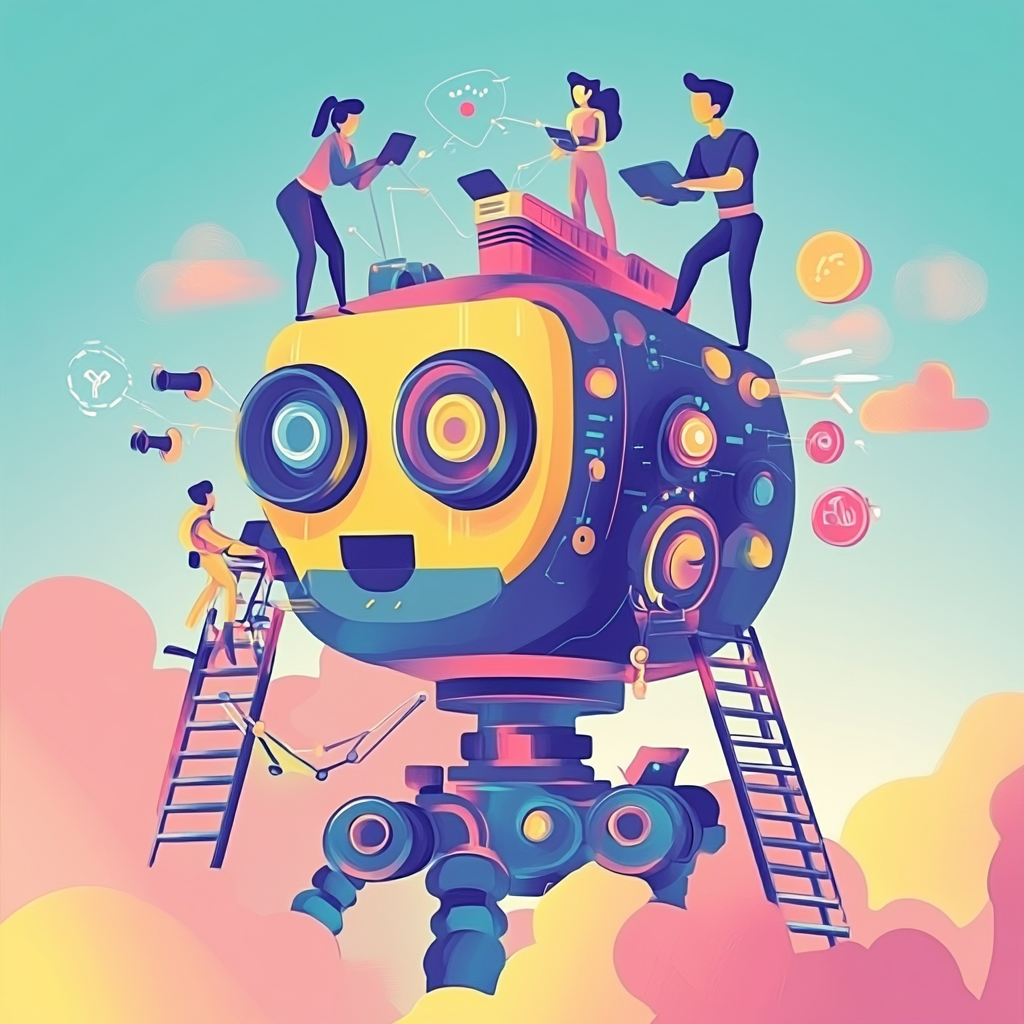
The integration of AI into the workplace is like introducing a new instrument to the orchestra. It has immense potential to enhance the performance, but only if it’s played in concert with the other musicians.
A clear definition of the desired outcomes and how AI will contribute is essential. It guides the selection and training of AI models, ensures ethical use, and fosters a collaborative environment where humans and AI work together seamlessly.Without this shared understanding, AI can become a disruptive force, creating confusion, fear, and resistance.
When humans and AI are aligned around a shared goal, they can create a symphony of innovation. AI can handle repetitive tasks, freeing humans to focus on creativity, strategy, and complex problem-solving. Humans can provide the context, intuition, and empathy that AI lacks, ensuring that technology serves a greater purpose.
The Transformative Power of Shared Goals
- Motivation and Engagement: When individuals feel connected to a larger purpose, their motivation soars. Shared goals provide a sense of meaning and significance, inspiring individuals to go above and beyond.
- Collaboration and Communication: Shared goals break down silos and encourage cross-functional collaboration.Teams are more likely to share information, support each other, and work towards a common vision.
- Efficient Resource Allocation: With a clear understanding of priorities, organizations can allocate resources strategically, ensuring that AI initiatives are aligned with overarching objectives.
- Faster Decision-Making: When everyone is on the same page, decision-making becomes more agile and efficient.Teams can make informed choices quickly, confident that their actions contribute to the shared goal.
- Adaptability and Resilience: In the face of rapid change and uncertainty, shared goals provide a stable foundation.They allow organizations to pivot and adapt while staying true to their core purpose.
The Path to Shared Goals: A Conductor’s Guide
- Inclusive Goal Setting: Involve all stakeholders in the process of defining the collective objective. This fosters buy-in, ownership, and a sense of shared responsibility.
- Crystal Clear Communication: Transparent and consistent communication is vital. Ensure that everyone understands the goal, its significance, and their role in achieving it.
- SMART Goals: Make sure goals are Specific, Measurable, Achievable, Relevant, and Time-Bound. This provides clarity and accountability.
- Actionable Steps: Break down the overarching goal into smaller, manageable tasks with clear deadlines. This creates a roadmap for progress and empowers individuals to take action.
- Celebrate Success and Learn from Setbacks: Acknowledge and reward achievements to maintain momentum and morale. When challenges arise, view them as learning opportunities and adjust course as needed.
- Leverage Technology: Use collaboration tools and AI-powered analytics to track progress, share insights, and facilitate communication.
- Cultivate a Growth Mindset: Foster a culture of continuous learning and improvement. Encourage experimentation, risk-taking, and the pursuit of knowledge.
Conclusion: The Harmonious Future of Work
In the age of AI, where technological advancements are transforming the workplace at an unprecedented pace, shared goals are more critical than ever. They provide the unifying force that empowers teams to navigate complexity, embrace change, and achieve collective success.
As we continue to integrate AI into our workflows, let us not forget the power of human connection, shared purpose, and the harmonious symphony that can arise when we all play in tune.
 Kaizeneers
Leave a comment