

In a world where algorithms are writing symphonies, diagnosing diseases, and predicting your next online purchase before you even think about it, the line between man and machine is blurring. It seems like every day, technology advances another step closer to the realms of science fiction, where AI isn’t just a tool but a partner in our daily lives. Yet, as we marvel at these innovations, there’s a crucial question we must ask ourselves: In this hyper-connected, AI-driven world, how do we maintain our unique identity and purpose?
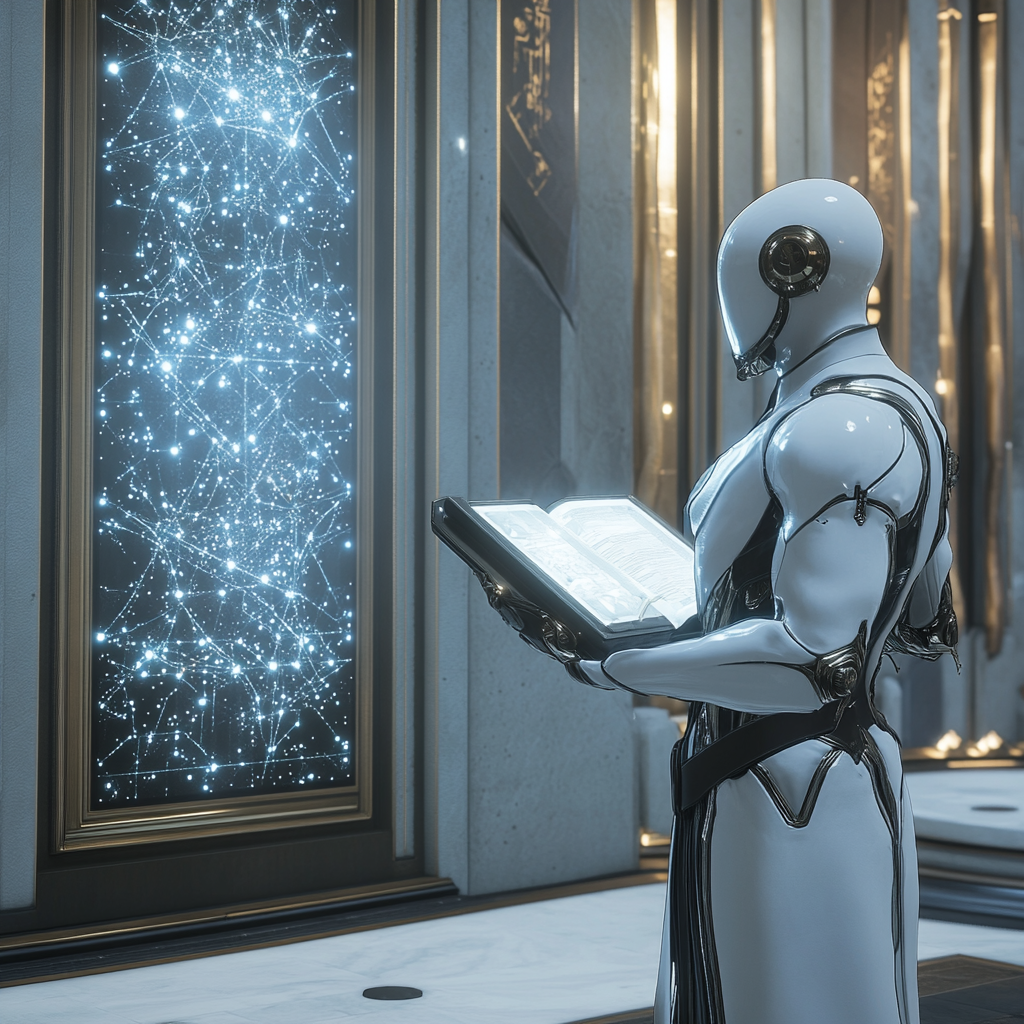
How to Maintain Your Unique Identity and Purpose in an Increasingly Automated World
It’s easy to feel dwarfed by the ever-expanding capabilities of artificial intelligence. The efficiency and accuracy of AI can make human efforts seem clunky and outdated. But here’s the thing—AI can replicate patterns, process data, and simulate decisions, but it cannot capture the full spectrum of human experience. Your unique identity—shaped by your history, values, and emotions—remains an uncrackable code that no machine can replicate.
To maintain this identity, it’s essential to recognize what makes you irreplaceable. It’s not about outperforming AI in tasks where machines excel; it’s about leaning into the qualities that define your humanity. These include your ability to feel empathy, your capacity for complex moral reasoning, and your inherent creativity. In a world increasingly governed by data, these qualities form the core of your distinct purpose. The key to thriving in this new era is not to compete with AI but to complement it—using technology as a tool to enhance the uniquely human aspects of your life and work.
Cultivating Critical Thinking Skills to Evaluate AI-Generated Information
As AI continues to weave itself into the fabric of our daily routines, from curating the news we read to suggesting the next item on our shopping list, the need for critical thinking has never been more pressing. The danger lies not in the technology itself but in our growing reliance on it without question. We must remember that while AI can analyze vast amounts of data, it lacks the discernment to understand context, nuance, and the ethical implications of its outputs.
Cultivating critical thinking in the age of AI involves questioning the sources, methods, and motivations behind the information we consume. Just because a piece of content is tailored specifically for you by an algorithm doesn’t mean it’s infallible. In fact, it might just be the opposite—designed to reinforce existing biases and keep you within the comfortable echo chambers of your digital life. To truly harness the power of AI, we must remain vigilant, cross-referencing AI-generated data with other sources, and applying our judgment to ensure that the conclusions we draw are well-founded and reflective of reality.
Balancing the Convenience of AI with the Importance of Human Intuition and Judgment
AI’s greatest appeal lies in its ability to simplify our lives—automating mundane tasks, predicting our needs, and providing us with recommendations that are eerily accurate. However, convenience comes at a cost if we allow it to replace our judgment entirely. While AI can guide decisions based on patterns and probabilities, it cannot account for the spontaneous leaps of intuition that often lead to breakthrough ideas and innovations.
Think of intuition as the spark of creativity that AI, with all its processing power, cannot replicate. It’s that gut feeling you get when making a decision, the sense that there’s more to consider than just the data in front of you. Balancing AI with human intuition means knowing when to trust the machine and when to follow your instincts—especially in situations where human values, emotions, and ethics play a crucial role. By doing so, we can ensure that AI enhances, rather than diminishes, our ability to navigate the complexities of life with wisdom and insight.
The Role of Art, Creativity, and Spirituality in a Technology-Driven Society
As AI encroaches on various domains, including the arts, there’s a growing concern that technology might diminish the value of human creativity. AI can compose music, write poetry, and generate art, but can it truly create? The answer lies in understanding the essence of creativity—an expression of the human spirit, driven by emotion, experience, and a deep connection to our inner selves.
Art, creativity, and spirituality offer a counterbalance to the sterile logic of AI. They remind us that not everything can be quantified or reduced to an algorithm. These practices allow us to explore the intangible aspects of life—meaning, purpose, connection to others, and to something greater than ourselves. In a world increasingly dominated by technology, nurturing these aspects of our humanity becomes even more vital. They serve as a reminder that while AI can simulate creativity, it cannot replicate the soul that fuels true artistic and spiritual expression.
How to Create a Life That is Both Meaningful and Fulfilling in the Digital Age
Creating a meaningful life in the digital age involves intentionality in how we interact with technology. It’s about setting boundaries to ensure that our use of AI and other digital tools enhances our lives rather than detracts from them. This might mean limiting screen time, practicing mindfulness, or engaging in activities that foster real-world connections and experiences.
A fulfilling life is one where technology serves as an aid, not a crutch. It’s where we leverage AI to handle the repetitive tasks that drain our energy, freeing up time and mental space for the pursuits that bring us joy and satisfaction—whether that’s spending time with loved ones, pursuing a passion project, or simply being present in the moment. By using technology as a tool to support our values, passions, and strengths, we can create a life that is rich with purpose and fulfillment.
Stories of Individuals Who Found Balance and Purpose in a Tech-Saturated World
There are countless stories of individuals who have successfully navigated the challenges of a tech-saturated world to find balance and purpose. Take, for example, the entrepreneur who used AI to streamline his business operations, allowing him more time to focus on social causes close to his heart. Or the artist who embraced digital tools to enhance her creative process while maintaining a deep connection to the traditional techniques that defined her work.
These stories serve as powerful reminders that technology need not be an enemy of our humanity. Instead, it can be an ally—if we approach it with mindfulness and a clear sense of our values and goals. By learning from those who have found harmony between the digital and the human, we can chart our own paths toward a balanced, purposeful life in the AI era.
How to Embrace the Opportunities and Challenges of Living in the AI Era
Living in the AI era presents us with both opportunities and challenges. On one hand, AI offers unprecedented tools for growth, learning, and efficiency. On the other, it challenges us to redefine what it means to be human in a world where machines can mimic many aspects of our lives.
To embrace these opportunities, we must remain open to change while holding fast to the qualities that make us uniquely human. This means staying curious, continuously learning, and adapting to new technologies without losing sight of our core values. It also means recognizing the limits of AI and ensuring that our reliance on it doesn’t erode the fundamental aspects of our humanity—our empathy, creativity, and ethical judgment.
In conclusion, as we continue to navigate the complexities of the AI-driven world, it’s crucial to remember that technology is a tool, not a replacement for our humanity. By maintaining our unique identity, cultivating critical thinking, balancing AI with human intuition, and nurturing our creative and spiritual lives, we can create a future where technology serves us—rather than the other way around.
 Kaizeneers
Leave a comment